5 min read
Why your house smells closed up when the heat comes on
A house smells closed up when the furnace first runs because dust has been settling all summer on the surfaces nobody wipes: the top of door frames and cabinets, ceiling fan blades, and the cold air return grille. When the heat comes on it moves that dust back into the air of every room at once. Wiping those four places before the first cold night is most of the fix, and it takes about ten minutes.
Every October somebody tells me their house smells stale the week the furnace comes on, and that they cannot find what is causing it. It is almost never a smell in the room they are standing in. It is the summer, coming back.
What has been happening since May
Windows in Valparaiso have been open since spring. Everything that moves around Porter County in the summer has been drifting in with the air: pollen, dust off the county roads, whatever the fields are doing that month. It does not stay in the air. It settles, and it settles on horizontal surfaces at height, which is exactly where nobody cleans.
The four places it collects, in order of how much difference each one makes:
- The cold air return grille, and the inside of it, not just the face
- Ceiling fan blades, on the top edge where you cannot see from below
- The top of kitchen cabinets and door frames
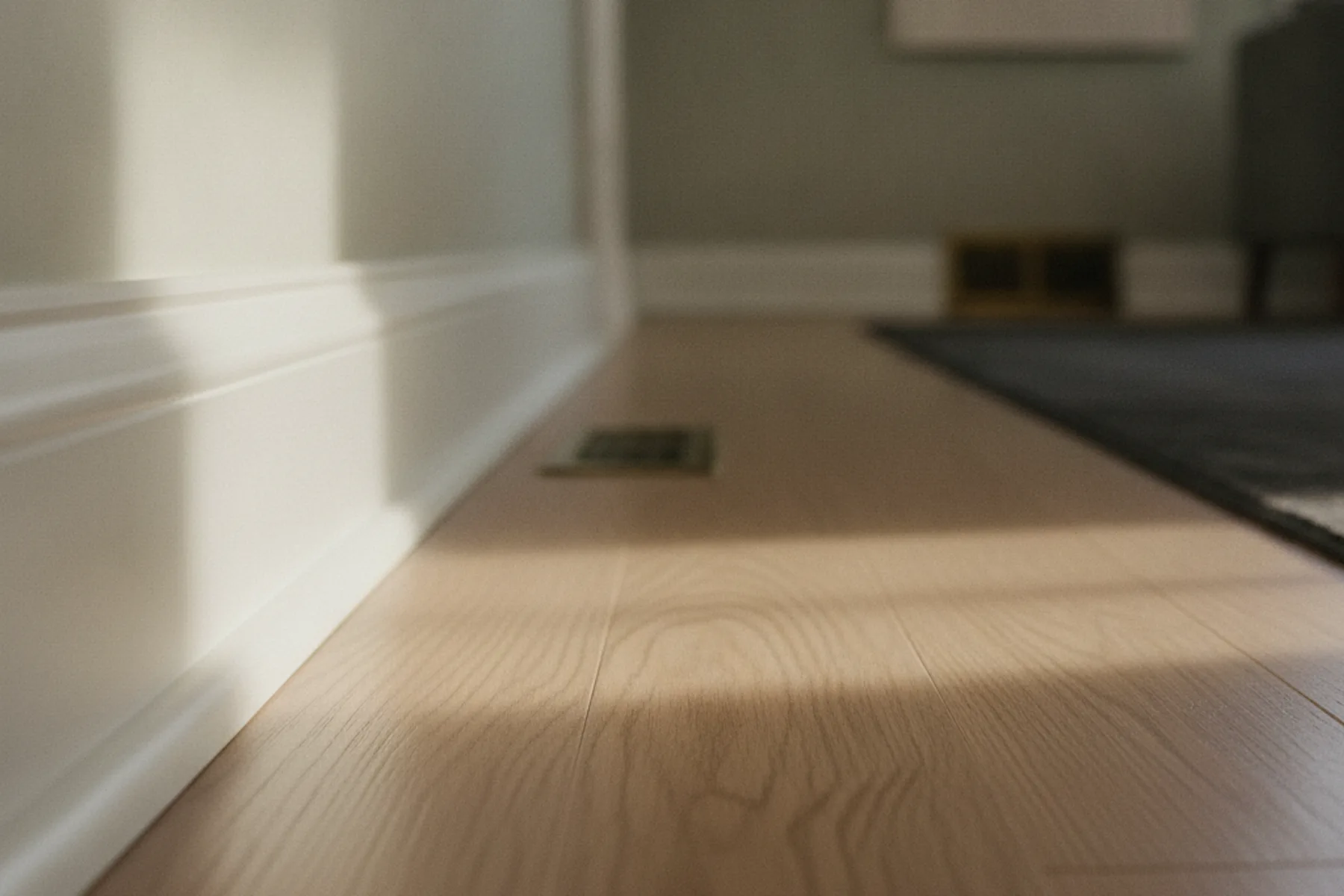
- Floor vent covers, and the lip inside them
Why the furnace is what makes it noticeable
Five months of settled dust sits still until air moves across it. The first time the furnace runs, air is pulled hard through the return and pushed out of every floor vent in the house, and all of it lifts at once. That is the smell. It is not the ducts being dirty in a way that needs a service; it is the house being dusty in a way that needs a cloth.
This is worth doing properly rather than shrugging at, because of where we spend our time. The EPA's guide to indoor air quality reports that studies found about a dozen common organic pollutants at two to five times higher levels inside homes than outside them, and that people spend roughly 90 percent of their time indoors. The air in the house is the air you actually breathe.
The ten minutes that fix it
Take the return cover off rather than wiping around it. There is usually a felt of dust on the inside of the grille that a cloth on the outside never touches. Wipe the fan blades with a damp cloth, folding it over as you go so you are not moving the same dust along the blade. Vacuum the floor vents with the crevice tool, then wipe the inside lip. Do the tops of cabinets and door frames last, then the floor.
Top down, always. Anything else and you clean a floor and immediately drop dust on it, which is most of why this job feels like it never finishes.
What not to buy
An air purifier is not the answer to a dusty return vent. It is a reasonable thing to own if somebody in the house has allergies, and it is a poor substitute for removing the dust that is already sitting there. Do the cloth first and then decide whether you still need the machine.
This is the sort of thing a regular clean is actually for. Not the surfaces that look dirty, which anyone can see, but the ones that quietly load up between October and April and then get pushed back into the air every time the heat runs.
Sources
- The Inside Story: A Guide to Indoor Air Quality, US Environmental Protection Agency